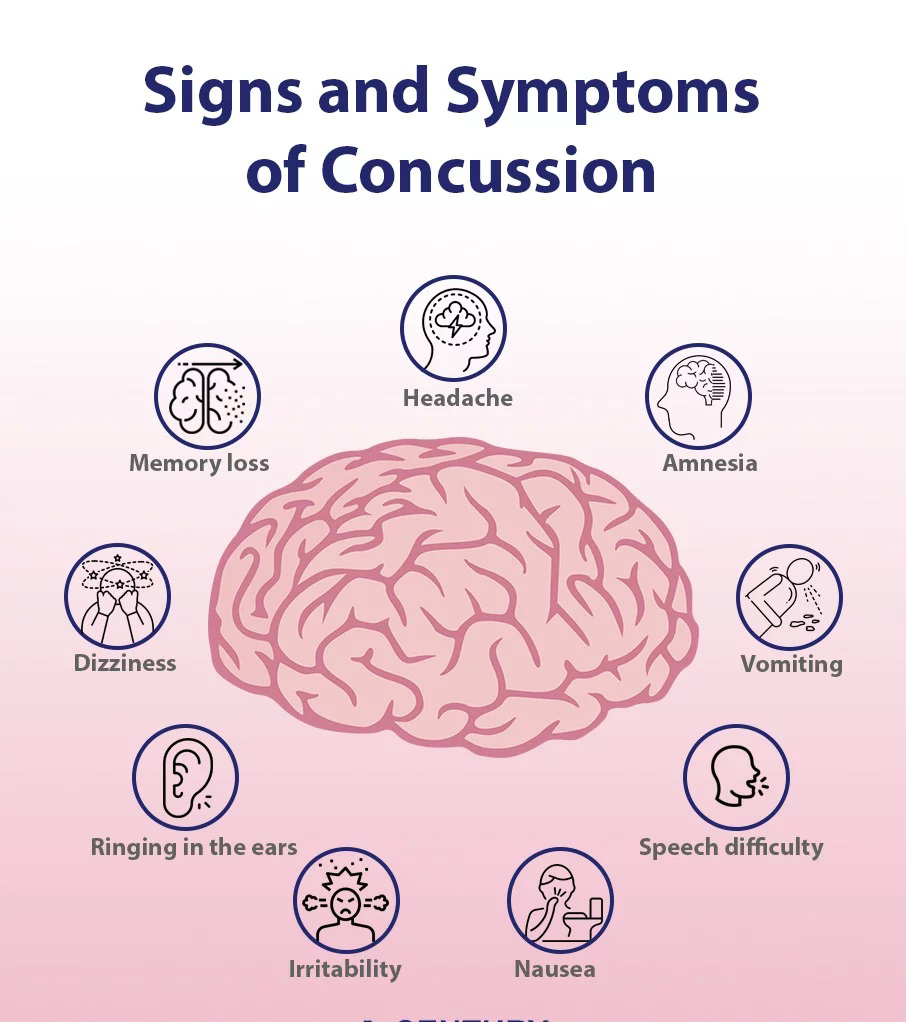
Common Symptoms & Changes

Common symptoms of a brain injury include physical issues like headaches, dizziness, fatigue, and balance problems; cognitive difficulties such as trouble with memory, concentration, and thinking clearly; and emotional changes like irritability, anxiety, or depression.

Changes in sleep patterns, vision, and sensitivity to light and sound are also common.

PHYSICAL:

  • Balance and coordination problems
  • Difficulty or inability to walk
  • Weakness of difficulty moving arms and legs
  • Abnormal muscle tone
  • Changes in sensation (i.e. areas of numbness & tingling or areas that are overly sensitive)
  • Decreased energy and endurance
  • Problems with fatigue
  • Difficulty sleeping (i.e. Sleep very little, get days & nights mixed up, etc.)
  • Changes in hearing, seeing, smelling, tasting
  • Light and sound sensitivity, ringing in ears, dizziness, light headed feeling
  • Changes in appetite, either not hungry or very hungry
  • Swallowing problem
  • Chronic pain, including headaches
  • Increased sensitivity to caffeine, alcohol and other drugs
  • Possible seizure activity

COGNITIVE (THINKING):

  • Disorientation to time, place or person
  • Poor concentration, easily distracted, unable to stay on topic
  • Memory problems
  • Slowed thinking and slower to respond
  • Difficulty with reasoning, reaching logical conclusions and judgement
  • Mind gets stuck on one issue
  • Difficulty keeping track of two or more things at once and following a sequence
    Problems planning, organizing, problem solving, making decisions and initiating tasks
  • Needs direction and structure to accomplish tasks
  • Problems with pacing activities
  • Acts on impulse
  • Difficulty dealing with change
  • Lack of awareness, insight into problems and/or lack of acceptance
  • Lack of flexibility in thinking i.e. rigid thinking

BEHAVIOUR & SOCIAL SKILLS:

  • Hard to ‘keep up’ in social situations
  • May be inappropriate – emotionally, behaviorally, sexually
  • Self-centeredness; childish behavior
  • Personality changes i.e. no longer outgoing
  • Changes and difficulties with relationships, especially family members
  • May be impulsive
  • Compulsive talking

FUNCTIONAL CHANGES:

  • Decrease or inability to do the following:
    Self-care tasks
  • Household management tasks
  • Drive a car
  • Work or return to work
  • Be involved in a previous social and/or hobby activities

EMOTIONAL:

  • Can be irritable or easily frustrated
  • More sensitive to stress
  • Depression
  • Lack of facial expression
  • Emotional outbursts
  • Emotional lability i.e. crying for no apparent reason
  • Withdrawn from family and friends
  • Poor coping skills
  • Feeling of grief and loss

COMMUNICATION:

  • Difficulty speaking (forming words)
  • Difficulty understanding words/conversation
  • Inability to write
  • Problems reading and understanding what was read
  • Unable to stay on topic
  • Problems thinking of the right words
  • Difficulty expressing ideas in a concise way